Tuesday, March 4, 2014
Monday, March 3, 2014
The Failings of Prefab Architecture
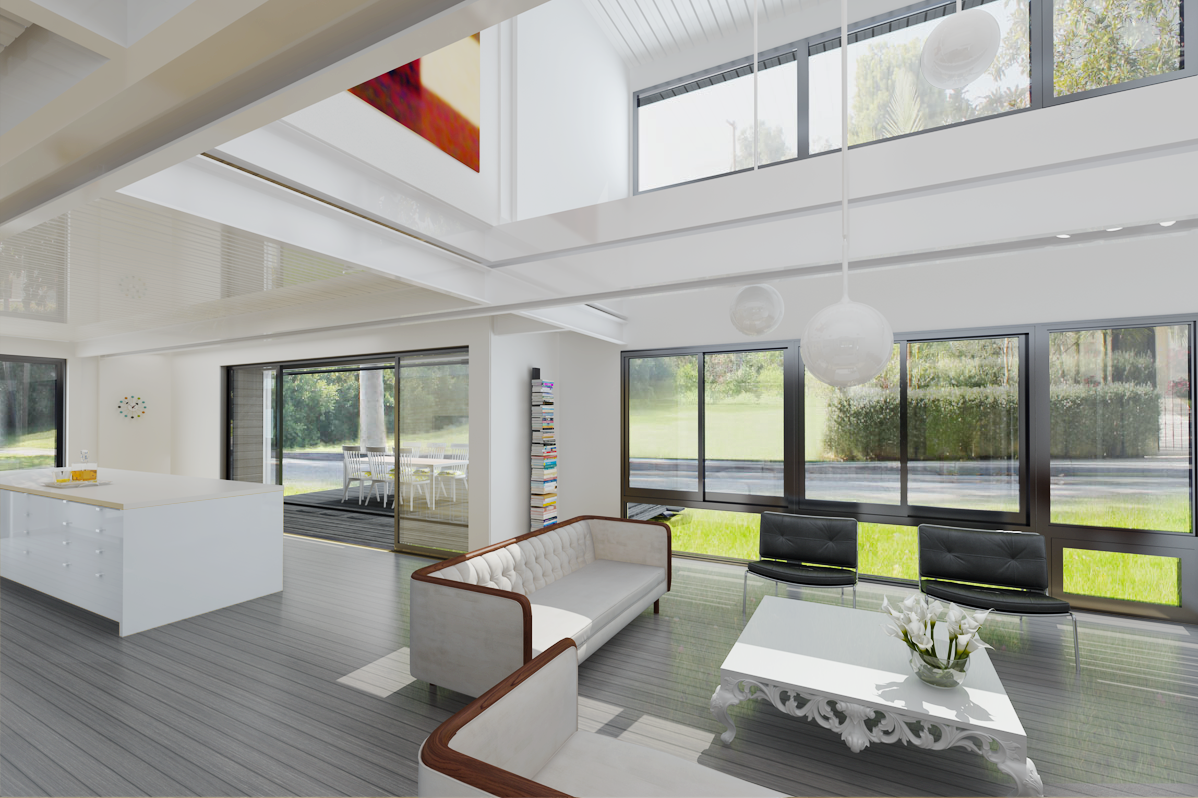
Despite the promise that prefab holds in architecture as outlined in articles such as this with projects as interesting as the following:
Or as boring as these:
(NO, they are NOT shipping containers)
There are several inherent problems to Prefab conditions including site-insensitivity, economic sustainability, inhuman design sensitivities, and even over-design by architects. Prefab still remains an unresolved piece of architectural design as neither the proponents nor critics have empirically outlined a significant tide of evidence outlining the inability of prefab to take hold as a viable stream of work for the architecture industry. Those of you interested in pursuing this line of investigation should also take a look at Ryan Smith's Prefab Architecture book.
Or as boring as these:
(NO, they are NOT shipping containers)
There are several inherent problems to Prefab conditions including site-insensitivity, economic sustainability, inhuman design sensitivities, and even over-design by architects. Prefab still remains an unresolved piece of architectural design as neither the proponents nor critics have empirically outlined a significant tide of evidence outlining the inability of prefab to take hold as a viable stream of work for the architecture industry. Those of you interested in pursuing this line of investigation should also take a look at Ryan Smith's Prefab Architecture book.
The MegaFaces: Kinetic Facade project discussed in studio
Some of you have been very interested in the potential behind kinetic architecture and facades yet were not aware of this project at the recent Sochi Olympic games. The collaboration between Asif Khan and iart is quite an accomplishment that clearly was one of the most memorable design pieces from the event.
MegaFaces: Kinetic Facade Shows Giant 3D 'Selfies' from iart on Vimeo.
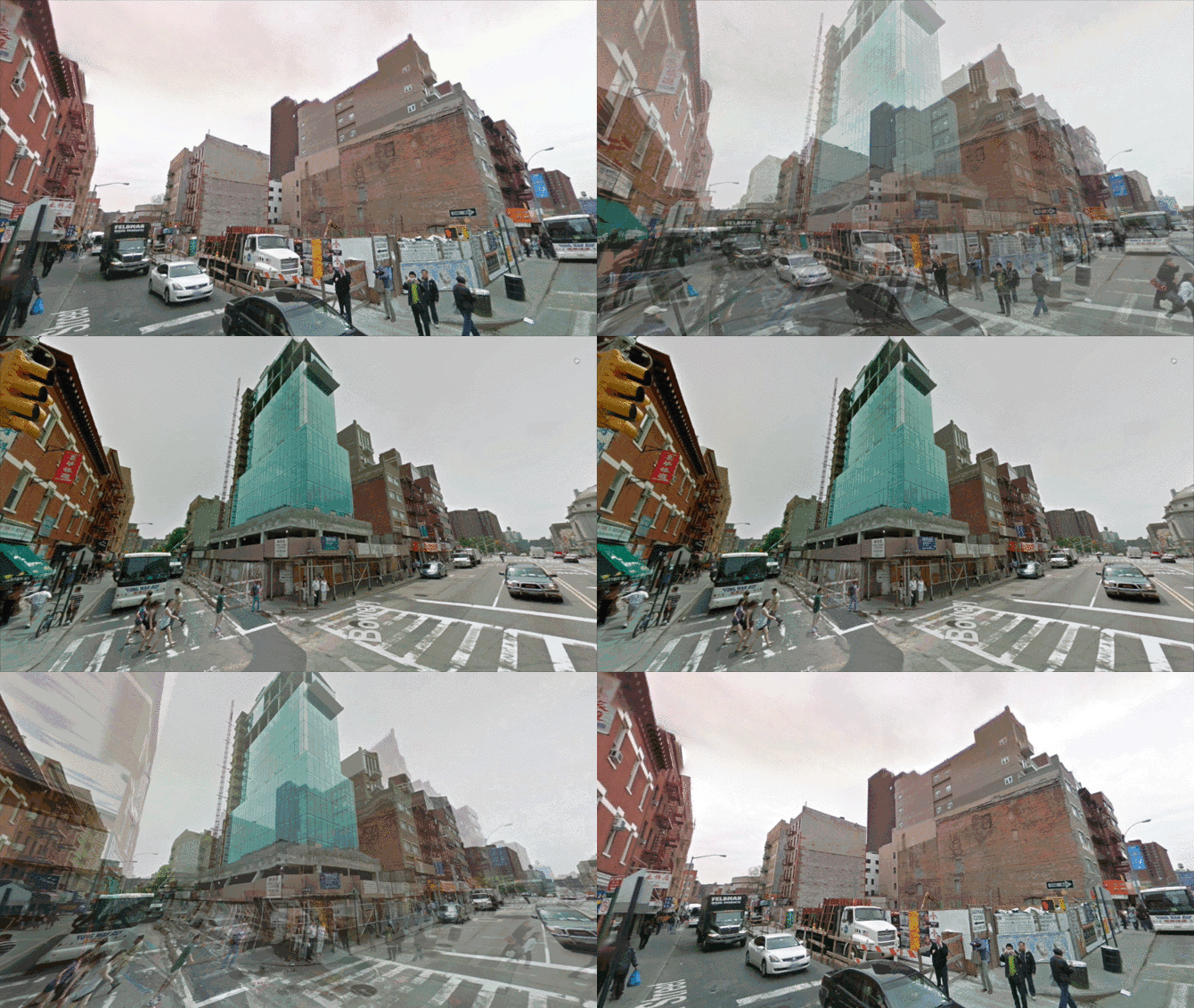
Before and After on Streetview
This is an interesting project by Justin Blinder showcasing buildings before and after as a transition from vacant lots to relevant interventions in the urban fabric of NYC. Beyond the gimmick of showcasing the use of open data, the transition of time relevant to many of your projects is well presented in these images.
Sunday, March 2, 2014
Saturday, March 1, 2014
How a Radical New Teaching Method Could Unleash a Generation of Geniuses
This is a pretty interesting article about some radical new teaching methods that are being investigated in places like India and Mexico. It is not architecturally specific, but I think it could prove relevant for a lot of people in the class working with ideas of the digital in architecture. Hope it's useful !
Subscribe to:
Posts (Atom)